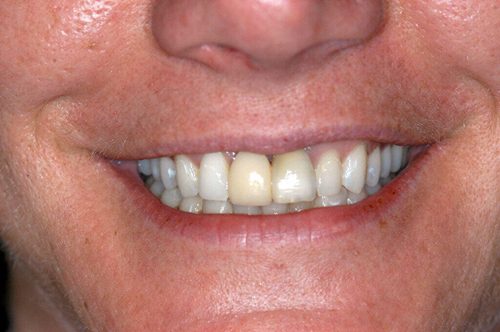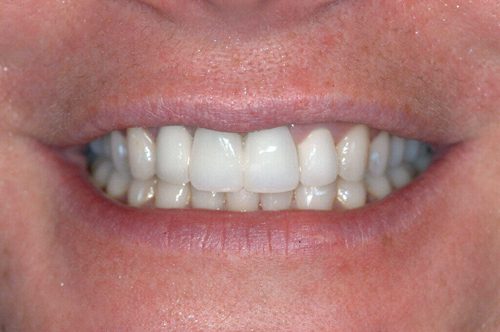
What Are Dental Bridges?
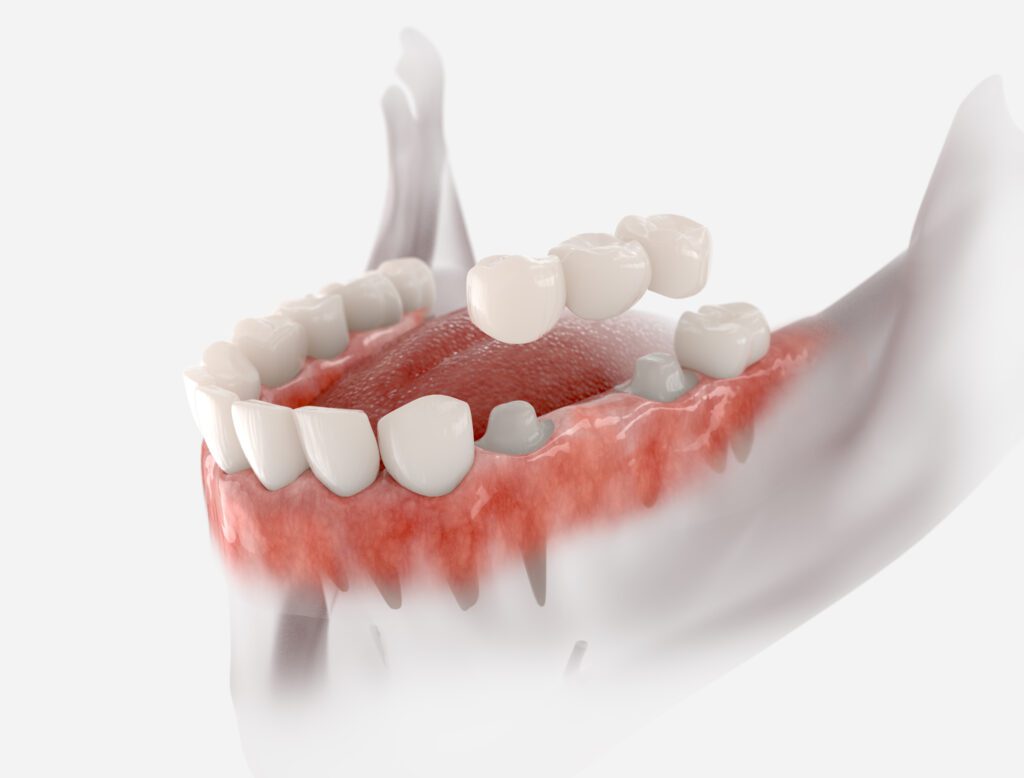
If one or more of your teeth have fallen out, it is not just a cosmetic issue—gaps in your teeth may cause your remaining teeth to shift out of position. This may lead to unnecessary tension in your bite, pain when you chew, or even difficulty speaking. Dr. Weller’s first recommendation may be to replace the tooth with a dental implant. If a dental implant cannot be used because of spacing concerns, bone deterioration, or other health issues, a bridge is the next best option for replacing a missing tooth. A bridge replaces a missing tooth or teeth. Two types of bridges are commonly used: a traditional (full coverage) bridge or a Maryland bridge.
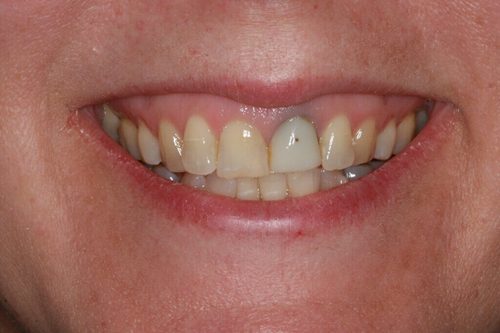
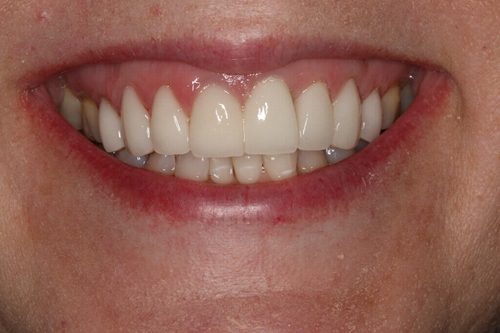
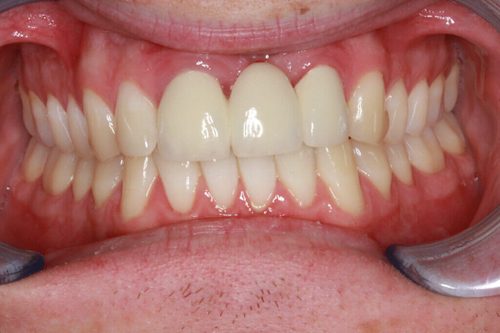
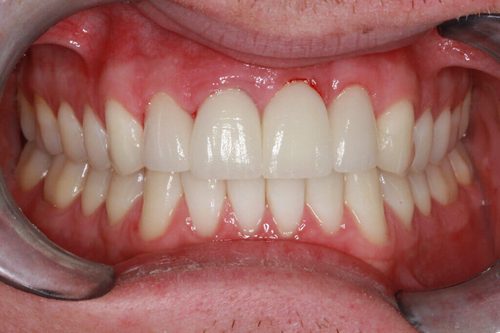
A bridge improves the health and appearance of your smile by filling gaps with a false tooth supported by a crown, dental implants, or both. At Weller Dental in Chicago and Hinsdale, IL, dentist Dr. Jeffrey Weller offers custom-made bridges to help restore your smile. If you’re missing one or more teeth, schedule a consultation with Dr. Weller to learn more about your treatment options for a dental bridge.
Types of Dental Bridges?
A full-coverage, or traditional bridge, is the most common type and can be made of all porcelain or a combination of porcelain and metal. This type of bridge will require placing crowns on the adjacent teeth to anchor the prosthetic (false) tooth or teeth in place.
A Maryland Bridge is generally used only in the front of the mouth, where biting force is lower. A Maryland Bridge consists of a prosthetic tooth fused to wings, usually made of zirconium or metal, which are bonded to the adjoining teeth.
Both types of bridges are fabricated at a professional dental laboratory and normally require two visits. During your first visit, the teeth are prepared, impressions are taken, and a temporary bridge is placed. At the second visit, the temporary bridge is removed, and the permanent bridge is fitted, adjusted, and cemented into place.
If you are missing several teeth in an area of the mouth, and no longer have any healthy teeth to support a bridge, an implant bridge may be an option. An implant bridge is similar to a traditional bridge but uses dental implants to anchor the bridge instead of natural teeth.
What are the Benefits of Dental Bridges?
Dental bridges offer a range of advantages for patients with multiple missing teeth who may not be candidates for dental implants or other treatment options. Beyond restoring the aesthetics of a complete smile, dental bridges support oral health and function. Some of the most exciting benefits of dental bridges include:
- Improved chewing
- Enhanced appearance
- Prevents shifting
- Restored speech
- Maintains face shape
- Durable and long-lasting
- Simple maintenance
- Cost-effective compared with some other treatment options
- Can be placed in as few as two appointments
- Boosted self-confidence
Plan Your Procedure
from $4200
2 Days
1 – 2 Hours
3 Weeks
Am I a Candidate for Bridges?
Missing teeth are not just an aesthetic issue — gaps in your smile can significantly affect your oral health. Your mouth is carefully balanced, and missing teeth may affect how well you can use it. Over time, gaps may cause teeth to shift, leading to bite problems (overbite, underbite, crossbite) and gum or jawbone atrophy.
To place a bridge, the surrounding teeth must be healthy enough to hold the restoration, with good density in the jawbone and gum tissue. Dr. Weller will examine your gums and jaw at your consultation to help you choose the best bridge type (cantilever, traditional, resin-bonded, or Maryland-bonded) and material (ceramic, porcelain, porcelain fused to metal, or metal).
Frequently Asked Questions
With proper care, a dental bridge can last between 5 – 7 years. Maintaining good oral hygiene through regular brushing and flossing is essential to keep the restoration clean and free from bacteria that could cause decay. Regular visits to Dr. Weller are also important so that we can monitor the bridge for any signs of wear or damage.
At Weller Dental, we craft our advanced dental bridges using top-quality materials that are both stain-resistant and remarkably natural in appearance. Designed to withstand normal chewing and biting, our bridges offer durability and functionality. Our patients consistently report feeling confident and pleased with their beautifully restored smile.
Our Chicago, IL team understands that many people feel anxious about dental work. We go above and beyond to make sure our patients feel comfortable in the chair. Before the procedure, our staff carefully administers a numbing agent, and if needed, Dr. Weller can discuss sedation options to help you feel calmer during bridge placement.
Once your supporting teeth are filed down to prepare them, Dr. Weller will take digital images and dental impressions so that your bridge can be created. A temporary bridge may be used while your custom one is crafted. As soon as your dental bridge is ready, sedation may be used to diminish any discomfort, in addition, sedation methods can be discussed if you are experiencing fears, anxieties, or trouble with a gag reflex to help keep you calm during the placement. Your custom bridge can be glued into its position or connected to implants, based on the method you and Dr. Weller decided on at your consult. Dr. Weller will adjust the position of your bridge so it is comfortable and stable.
After your bridge is in place, you should have a noticeable improvement in your teeth’s function and appearance. Dr. Weller or an assistant on his team will teach you how to care for your dental bridge, including the ways to keep it clean and what foods to avoid. It’s important to frequently clean your bridge and mouth because decay can develop under the bridge. If you properly care for it, your dental bridge may stay in place for several years. You will need to schedule appointments at Weller Dental to get an annual dental examination and cleanings each year. In your examination, Dr. Weller will assess the health and fit of your dental bridge to make sure everything functions and still looks great.
Bridges and other dental restorations are generally covered, in part, by dental insurance companies. Our office will talk to your dental insurance company to figure out your out-of-pocket expenses. Weller Dental offers several methods of payment, including financing options, that may be reviewed in your consult with Dr. Weller. He will help you choose the best bridge material and type to suit your budget and needs.
Ready for a Consultation?
Even if you don’t mind the way your smile looks with a gap from a missing tooth, it may turn into more expensive troubles if you don’t get it fixed. Make an appointment with dentist Dr. Weller to get more information about bridge restorations and the options that match your unique needs. Weller Dental is pleased to offer custom dental bridges that can improve the health and appearance of your mouth. Contact our team in Chicago or Hinsdale, IL to make your consultation.