
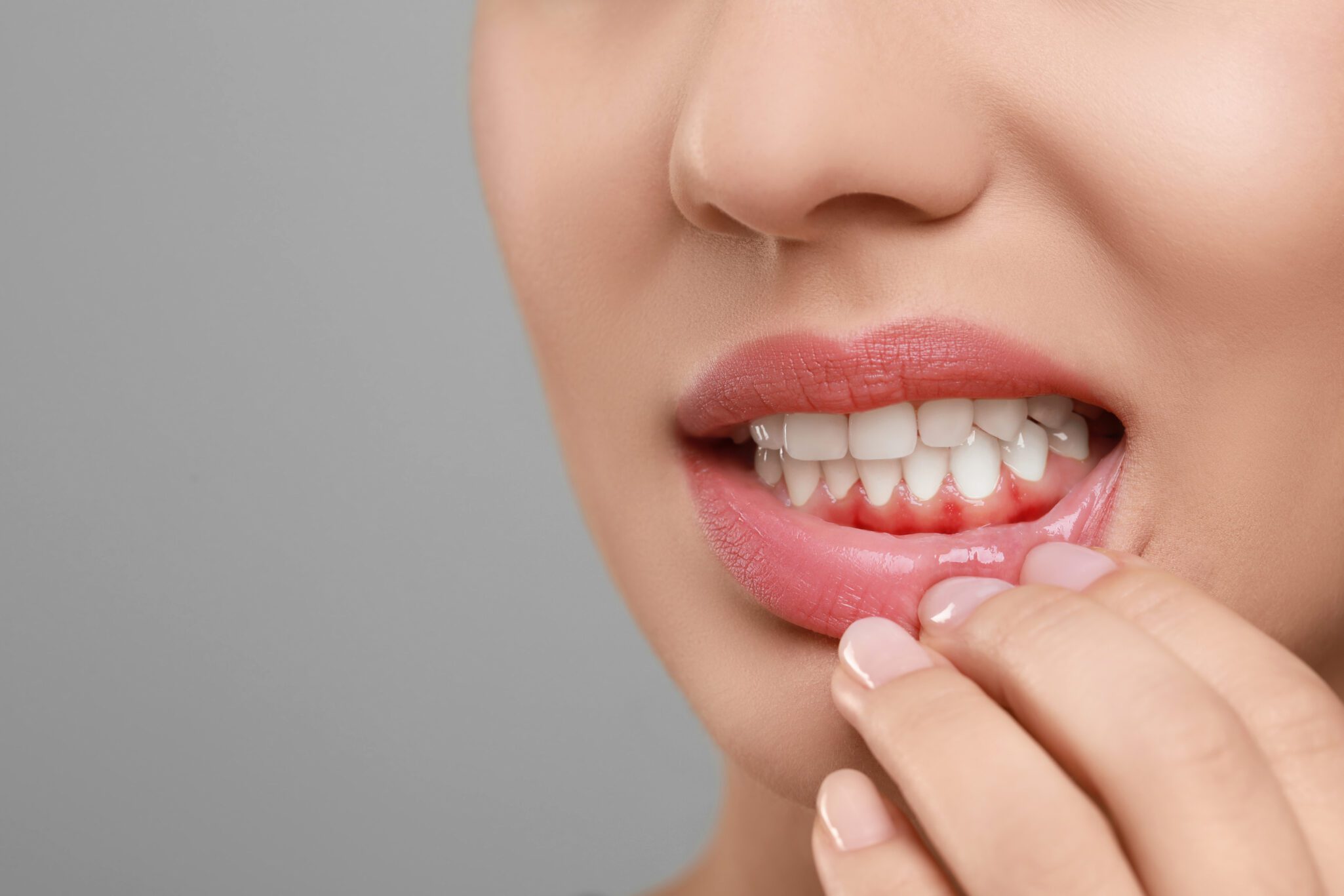
What Does It Mean if I have Swollen Gums?
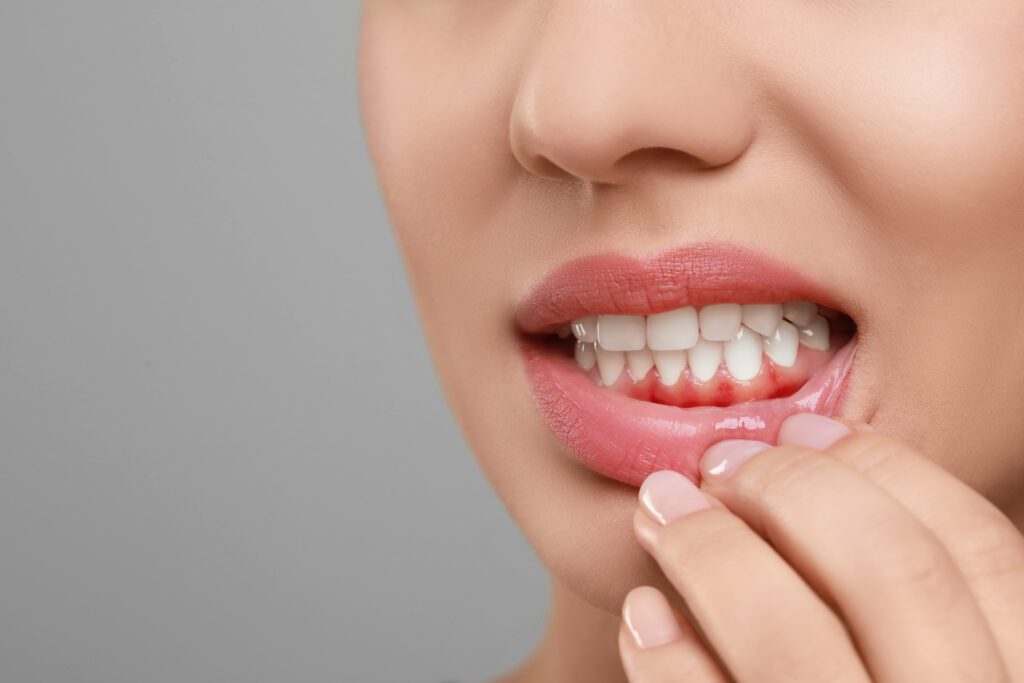
Waking up to swollen gums around a single tooth can be alarming, and it’s a situation that sends many patients searching for answers. Unlike generalized gum inflammation that affects the whole mouth, localized swelling around just one tooth is usually a signal that something specific is going on in that area. The good news is that identifying the cause early makes treatment much more straightforward. Here’s what you need to know.
Why Would Only One Area Be Affected?
When swollen gums appear around a single tooth rather than throughout the mouth, it typically points to a localized problem rather than a systemic one. That said, the underlying cause can range from something minor and easily fixed to something that needs prompt dental attention. Understanding the difference matters.
Could It Be Gum Disease?
Periodontal disease often gets its start in one specific area before spreading. If plaque and tartar have built up around a particular tooth, the gum tissue there can become inflamed and puffy. Early-stage gum disease, known as gingivitis, is reversible with professional cleaning and improved home care. If it progresses to periodontitis, however, the infection can damage the bone and connective tissue holding the tooth in place.
Localized swollen gums that bleed when you brush or floss, feel tender to the touch, or seem to be pulling away from the tooth are classic signs that gum disease may be at work.
Is an Abscess Causing the Swelling?
A dental abscess is a pocket of infection that can develop either at the root of a tooth or in the surrounding gum tissue. This is one of the more serious causes of swollen gums around one tooth and should not be ignored. Abscesses can cause throbbing pain, sensitivity to temperature, a bad taste in the mouth, and visible swelling that may extend into the jaw or cheek.
If you suspect an abscess, it’s important to see a dentist promptly. Left untreated, the infection can spread to surrounding teeth, bone, and in serious cases, other areas of the body.
What About a Cracked or Damaged Tooth?
A cracked tooth that isn’t immediately visible can allow bacteria to enter below the gum line, triggering localized inflammation. Similarly, a failing dental restoration, such as a crown or filling that no longer fits properly, can create gaps where bacteria thrive. If you’ve recently had dental work on or near the affected tooth, this is worth mentioning to your dentist.
Could Something Be Stuck Under the Gum?
It happens more often than people expect. A popcorn hull, a small bone fragment, or a piece of food debris can slip beneath the gum line and cause significant irritation and swelling in one specific spot. This type of swelling often comes on relatively quickly after eating and may be accompanied by tenderness or a feeling that something is wedged in there. Gentle flossing sometimes resolves it, but if the swelling persists, a dentist can take a closer look.
Is It Related to a Wisdom Tooth?
If the swollen gums are in the back of your mouth, a partially erupted or impacted wisdom tooth could be the culprit. The gum tissue overlying a wisdom tooth that hasn’t fully come in is prone to trapping food and bacteria, leading to a condition called pericoronitis. This causes localized swelling, tenderness, and sometimes difficulty opening the jaw fully.
What Should You Do About Swollen Gums?
While some mild swelling may improve with careful brushing, flossing, and rinsing with warm salt water, swollen gums that last more than a few days deserve professional attention. A dentist can identify the root cause with a clinical exam and dental X-rays, then recommend the appropriate course of treatment, whether that’s a professional cleaning, antibiotics, a root canal, or another solution.
In the meantime, avoid pressing or poking at the area, and stick to softer foods if chewing is uncomfortable. Over-the-counter pain relievers can help manage discomfort, but they don’t address the underlying problem.
When to Call Your Dentist Right Away
Some symptoms alongside swollen gums warrant same-day care. These include severe pain that isn’t controlled by over-the-counter medication, visible pus or discharge, significant swelling in the jaw or face, fever, or difficulty swallowing. These can indicate a spreading infection that needs immediate treatment.
Ready to Find Out What’s Going On?
Swollen gums around one tooth are your body’s way of telling you something needs attention. The sooner you find out what’s causing the problem, the simpler the fix is likely to be. Contact Weller Dental in Chicago to schedule an appointment today!