
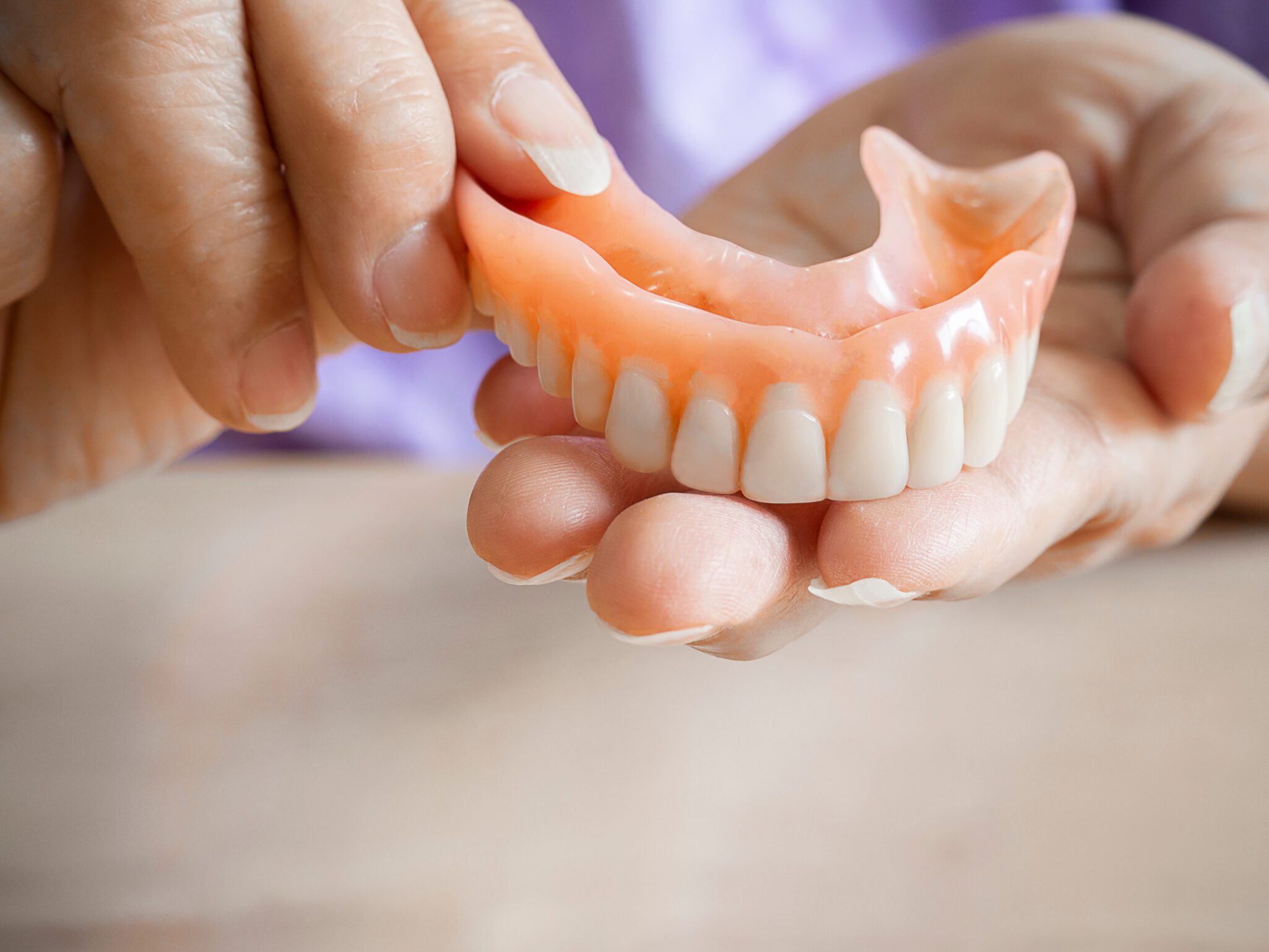
What to Expect From Dentures and How to Thrive With Them
Getting new dentures is a significant step toward restoring your smile, your confidence, and your ability to enjoy everyday life. If you have recently started searching for “dentures near me” and are now in the early stages of wearing them, you may be wondering what’s normal and how long the adjustment period will last. At Weller Dental in Hinsdale, we help patients navigate this process with personalized guidance and compassionate care every step of the way.
The good news is that most people adapt to dentures successfully with a little patience and the right support. The first few weeks tend to be the most challenging, but once your mouth adjusts, dentures can feel surprisingly natural.
What to Expect in the First Few Weeks
The adjustment period for dentures typically lasts anywhere from a few weeks to a couple of months. During this time, it is completely normal to experience:
- Increased saliva production. Your mouth may produce more saliva than usual as it recognizes the dentures as a foreign object. This usually settles down within a week or two.
- Minor soreness or irritation. As your gums adapt to the fit and pressure of dentures, some tenderness is expected. If soreness persists or becomes severe, contact your dental provider so adjustments can be made.
- Difficulty speaking clearly. Words that involve certain sounds, particularly “s” and “f,” may feel awkward at first. Reading aloud or practicing specific words at home can help you retrain your speech more quickly.
- Trouble eating certain foods. Chewing mechanics change significantly with dentures, and your brain and muscles need time to learn new patterns.
All of these experiences are a normal part of transitioning, so try not to be discouraged if the first few weeks feel frustrating.
Tips for Eating With Dentures
One of the most common concerns among new denture wearers is figuring out how to eat comfortably. Here are some practical strategies that can make mealtimes easier:
- Start with soft foods like mashed potatoes, scrambled eggs, yogurt, bananas, and soft-cooked vegetables. These require minimal chewing pressure and are easy to manage as you build confidence.
- Chew on both sides of your mouth simultaneously to distribute pressure evenly. This prevents your dentures from tipping or shifting during meals.
- Cut food into smaller pieces before biting. Avoid tearing food with your front teeth, as this can cause dentures to dislodge.
- Avoid very sticky or hard foods in the early weeks. Foods like caramel, hard candies, and crusty bread can put excessive stress on your dentures or cause them to move unexpectedly.
- Be patient with yourself. Most people are eating a much wider variety of foods within one to two months of getting dentures.
Caring for Your Dentures
Proper care is essential for keeping your dentures comfortable, functional, and long-lasting. You should remove and rinse your dentures after eating to clear away food particles. Brush them gently once a day using a soft brush and a cleanser designed specifically for dentures. Never use regular toothpaste, as it is too abrasive and can cause microscopic scratches that harbor bacteria.
Soak your dentures overnight in a denture solution or water to keep them from warping. Always handle them over a folded towel or a sink filled with water to cushion them in case they slip from your hands. Even with dentures, you should continue scheduling regular dental visits. At Weller Dental, our Hinsdale team monitors the fit of your dentures over time and examines your gum tissue and oral health to catch any issues early.
When to Call Your Dentist
If you are searching for “dentures near me” because your current dentures no longer fit the way they used to, do not wait to reach out. Bone and gum tissue change naturally over time, which means dentures that once fit well can become loose or uncomfortable. Ill-fitting dentures can cause sore spots, difficulty eating, and even bone loss.
Signs it may be time for a denture adjustment or reline include persistent soreness, clicking sounds when chewing, or dentures that slip when you speak or smile. Our team is here to help you address these concerns promptly.
You Deserve a Smile That Works for You
Adapting to dentures takes time, but with the right care and support, they can restore both function and confidence in a meaningful way. Whether you are newly fitted or searching for “dentures near me” to explore your options for the first time, Weller Dental in Hinsdale is ready to help. Call our office to schedule a consultation or book your appointment online today.