When most people think about visiting their general dentist, they imagine routine cleanings, cavity checks, and perhaps a fluoride treatment. While these services are essential, there’s another aspect of preventive dental care that often goes overlooked: bite analysis. At Weller Dental in Hinsdale, we believe that understanding and evaluating your bite is a critical component of maintaining long-term oral health and preventing a wide range of dental problems, including chronic tooth pain.
### What Is Bite Analysis?
Bite analysis, also known as occlusal analysis, is the process of examining how your upper and lower teeth come together when you bite down. Your general dentist evaluates the alignment, spacing, and contact points of your teeth to determine whether your bite is balanced and functioning properly. A healthy bite distributes pressure evenly across all teeth, minimizing wear and reducing the risk of dental complications.
When your bite is misaligned, it can lead to a cascade of problems affecting not only your teeth but also your jaw joints, muscles, and overall comfort. Many patients don’t realize that issues like headaches, jaw discomfort, and persistent tooth pain can stem from bite problems that have gone undiagnosed for years.
### Why Bite Analysis Matters in Preventive Care
Preventive dentistry is all about identifying and addressing potential problems before they escalate into serious conditions. Bite analysis plays a vital role in this proactive approach. By catching bite issues early, your dentist in Hinsdale can recommend treatments that prevent damage and preserve your natural teeth for as long as possible.
An improper bite can cause uneven wear on your teeth, leading to premature deterioration of enamel and increased sensitivity. Over time, this wear can result in cracked or fractured teeth, which may require costly restorative procedures. Regular bite analysis allows your general dentist to monitor changes and intervene before significant damage occurs.
Additionally, bite problems are a common but often overlooked cause of tooth pain. Patients frequently visit their dentist in Hinsdale complaining of discomfort that doesn’t seem to have an obvious source. In many cases, the root cause is an imbalanced bite that places excessive stress on certain teeth. By identifying and correcting these issues, your dentist can alleviate pain and improve your overall quality of life.
### Common Signs You May Need Bite Analysis
Not everyone realizes they have a bite problem until it’s pointed out during a dental exam. However, there are several warning signs that may indicate the need for a thorough bite analysis:
* Frequent headaches or migraines, especially in the morning
* Jaw pain, stiffness, or clicking sounds when opening and closing your mouth
* Chronic tooth pain that doesn’t respond to typical treatments
* Uneven wear patterns on your teeth
* Difficulty chewing or a feeling that your teeth don’t fit together comfortably
* Loose or shifting teeth
If you experience any of these symptoms, it’s important to schedule an appointment with your general dentist for a comprehensive evaluation. Early intervention can prevent more serious complications and help you avoid invasive treatments down the line.
### How Bite Analysis Is Performed
During a bite analysis at Weller Dental, your dentist in Hinsdale will use a combination of visual examination, digital imaging, and specialized diagnostic tools to assess your bite. This may include taking impressions of your teeth, analyzing jaw movement, and using articulating paper to identify areas of excessive contact or pressure.
Advanced technology allows dentists to create a detailed map of your bite, revealing imbalances that might not be visible to the naked eye. This information is invaluable for developing a personalized treatment plan that addresses your specific needs and prevents future dental issues.
### Treatment Options for Bite Problems
If your bite analysis reveals misalignment or other concerns, your general dentist will discuss treatment options tailored to your situation. Depending on the severity of the problem, solutions may include:
* Occlusal adjustments to reshape teeth and improve contact points
* Orthodontic treatment to reposition teeth and correct alignment
* Custom nightguards to protect teeth from grinding and clenching
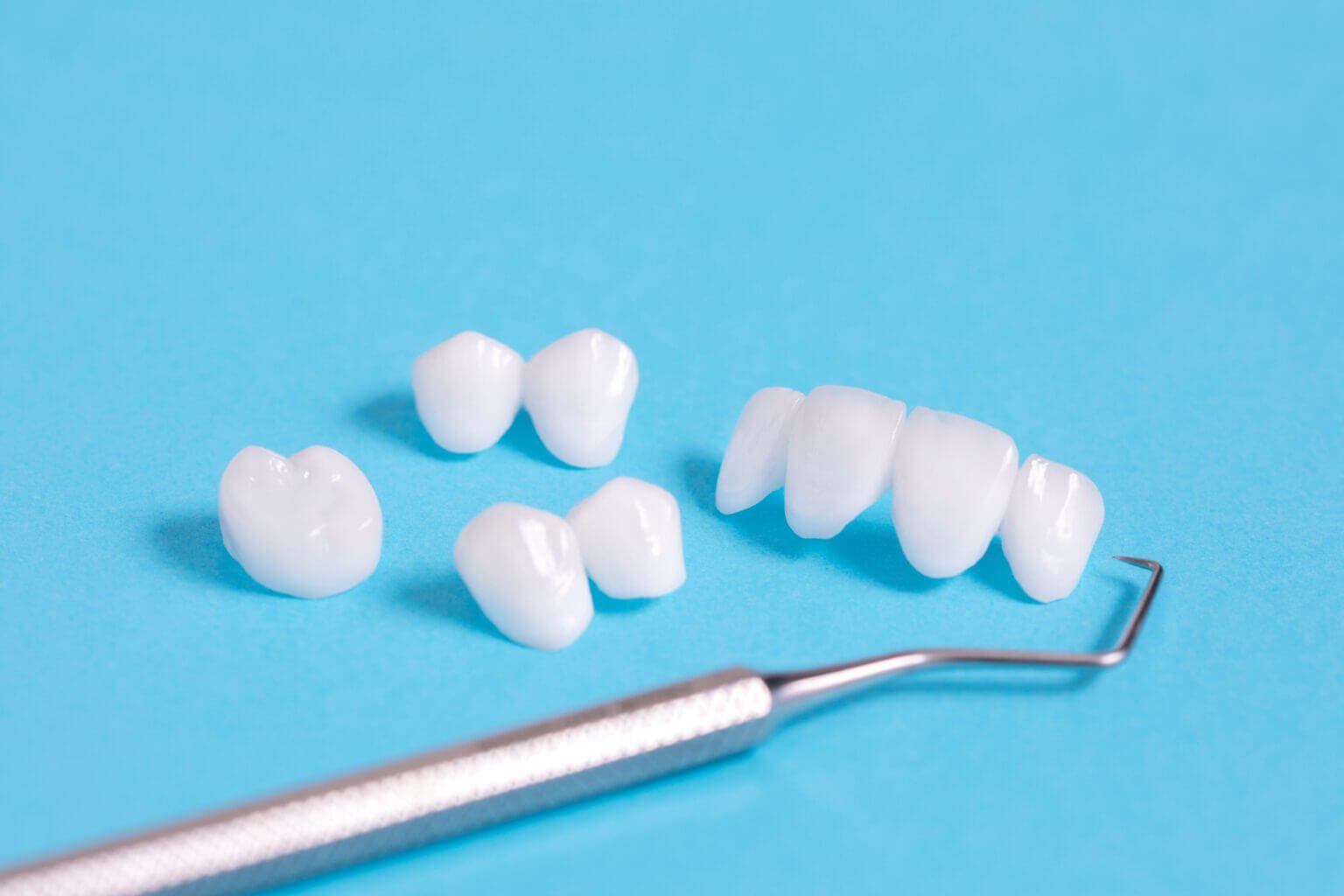
* Restorative procedures such as crowns or veneers to rebuild worn teeth
* TMJ therapy to address jaw joint dysfunction
Each of these treatments aims to restore balance to your bite, eliminate tooth pain, and protect your teeth from further damage. Your dentist in Hinsdale will work closely with you to determine the most appropriate course of action based on your unique circumstances.
### The Long-Term Benefits of Bite Analysis
Investing in bite analysis as part of your preventive dental care offers numerous long-term benefits. By maintaining a healthy, balanced bite, you can:
* Reduce your risk of tooth fractures and decay
* Minimize or eliminate chronic tooth pain and discomfort
* Prevent jaw joint problems and TMJ disorders
* Extend the lifespan of your natural teeth and any dental restorations
* Improve your overall oral health and well-being
### Schedule Your Bite Analysis Today
At Weller Dental in Hinsdale, we are committed to providing comprehensive preventive care that goes beyond routine cleanings. Our experienced team understands the critical role that bite analysis plays in maintaining optimal oral health and preventing unnecessary tooth pain and damage.
If you’re experiencing any symptoms of bite problems or simply want to ensure your teeth are functioning at their best, contact Weller Dental today. As your trusted dentist in Hinsdale, we’re here to help you achieve a healthy, comfortable smile that lasts a lifetime.
###### The content on this blog is not intended to be a substitute for professional medical advice, diagnosis, or treatment. Always seek the advice of qualified health providers with questions you may have regarding medical conditions.
* All information subject to change. Images may contain models. Individual results are not guaranteed and may vary.