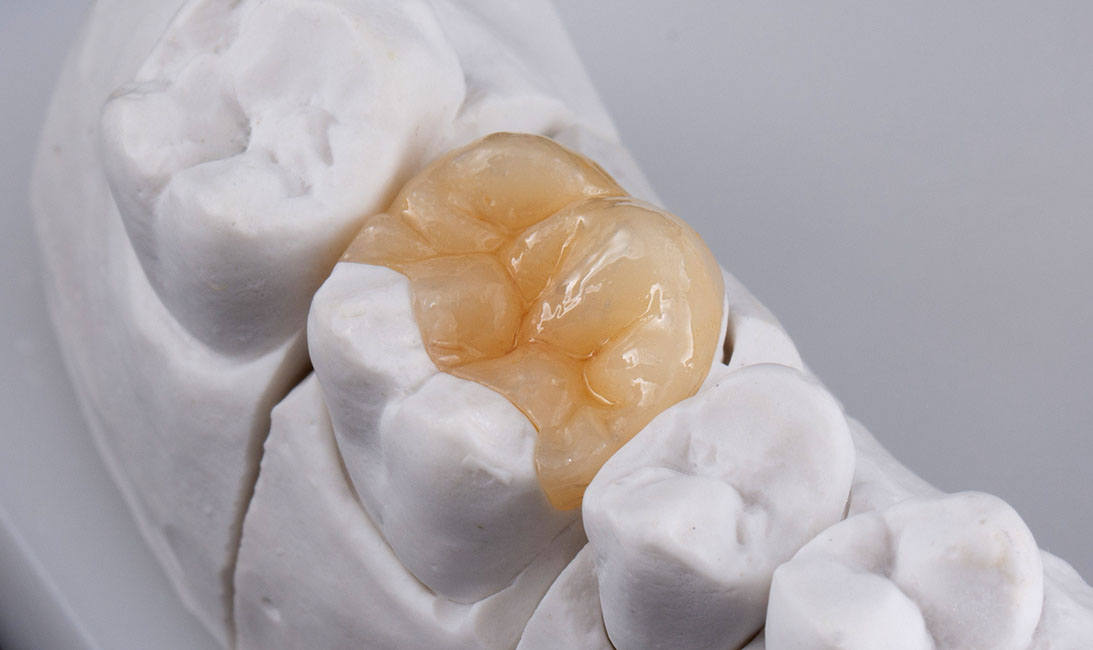
Not every cavity calls for a standard filling, and choosing a dental inlay could mean a longer-lasting, better-fitting result for your tooth.
General Dentistry: Simple Care That Keeps Your Smile Healthy
General dentistry covers the everyday dental care that keeps your teeth and gums in great shape. Think of it like regular car maintenance; small tune-ups now prevent big, costly breakdowns later.
Who Is It For?
General dentistry is for everyone. Whether you’re bringing your child in for their first visit or you’re an adult looking to stay on top of your oral health, we are here to help at every stage of life.
What Can You Expect?
At our practice, we keep things simple and stress-free. During your visit, we will:
- Examine your teeth and gums
- Clean away buildup and plaque
- Take X-rays if needed
- Walk you through any recommended next steps
Why It Matters
Staying consistent with general dentistry brings real benefits to your everyday life. Here is what regular care can do for you:
- Prevent pain and infection before they start
- Catch small issues early before they grow
- Save you time and money on future treatments
- Keep your smile and bite feeling great
Understanding When a Dental Inlay Is the Right Choice
Not all tooth damage is the same, and the right restoration depends on how much of your tooth is affected. Fillings work well for small cavities, but a dental inlay or onlay is often the better option when the damage is more significant.
Here is a simple breakdown of when each option makes more sense:
- Standard filling: Best for small to minor cavities with minimal tooth structure loss
- Dental inlay: Ideal when decay sits within the cusps of the tooth and a filling would be too weak
- Dental onlay: The right fit when damage extends over one or more cusps but a full crown is not yet needed
| Restoration Type | Best For | Tooth Structure Preserved | Typical Lifespan |
|---|---|---|---|
| Standard Filling | Small to minor cavities | Moderate | 5–10 years |
| Dental Inlay | Decay within the cusps | High | 10–20 years |
| Dental Onlay | Damage over one or more cusps | High | 10–20 years |
| Dental Crown | Extensive damage or weakened tooth | Lower | 10–15 years |
Inlays and onlays are custom-made restorations that fit your tooth precisely, which means they tend to last longer and feel more natural. They also preserve more of your healthy tooth structure compared to a crown.
If you are unsure which restoration suits your situation, we are happy to walk you through your options and help you make a confident, informed decision about your smile.
General Dentistry at Weller Dental
At Weller Dental, we believe that a healthy smile starts with strong foundations. General dentistry allows us to keep your teeth and gums in great shape all year round.
We offer a full range of general dental services to help you maintain your oral health and catch any problems early. Whether it’s a routine check-up or a filling, we are here to make sure you feel comfortable and well cared for every step of the way.
Frequently Asked Questions About General Dentistry and Dental Inlays
What happens during a general dentistry visit at Weller Dental?
At Weller Dental, we keep your visit simple and stress-free. We will examine your teeth and gums, clean away plaque and buildup, take X-rays if needed, and walk you through any recommended next steps so you always know what is going on with your oral health.
When is a dental inlay a better choice than a standard filling?
A dental inlay is the right choice when decay sits within the cusps of your tooth and a standard filling would not be strong enough to hold up. If the cavity is small, a filling works well, but for more significant damage, an inlay gives you a stronger, longer-lasting result.
How long do dental inlays and onlays typically last compared to fillings?
Dental inlays and onlays typically last between 10 and 20 years, while standard fillings usually last around 5 to 10 years. Because inlays and onlays are custom-made to fit your tooth precisely, they tend to feel more natural and hold up better over time.
What is the difference between a dental inlay and a dental onlay?
A dental inlay fits within the cusps of your tooth, while a dental onlay is used when damage extends over one or more cusps. Both preserve more of your healthy tooth structure compared to a crown, making them a great middle-ground option.
Why is staying consistent with general dentistry important for my oral health?
Regular general dentistry visits help prevent pain and infection before they start, catch small issues early, and save you time and money on future treatments. Consistent care keeps your smile and bite feeling great throughout every stage of life. For more on the importance of oral health, visit the CDC’s Oral Health resources.
Schedule Your Visit Today
At Weller Dental, we are here to help you find the best path forward for your smile. If you are ready to explore whether a dental inlay or onlay is the right fit for you, we invite you to reach out to our team.
Call us or schedule online at your convenience to get started.